
Transparency Statement
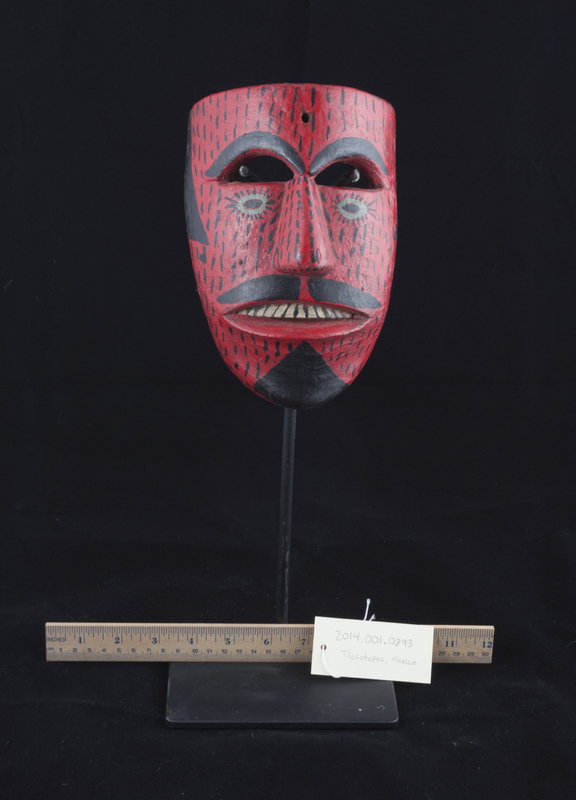
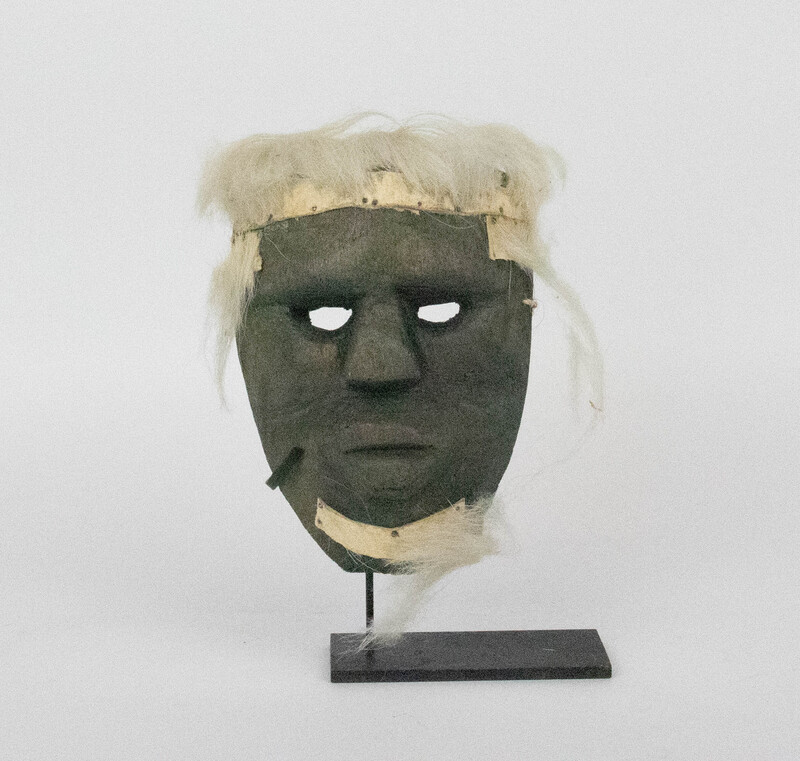
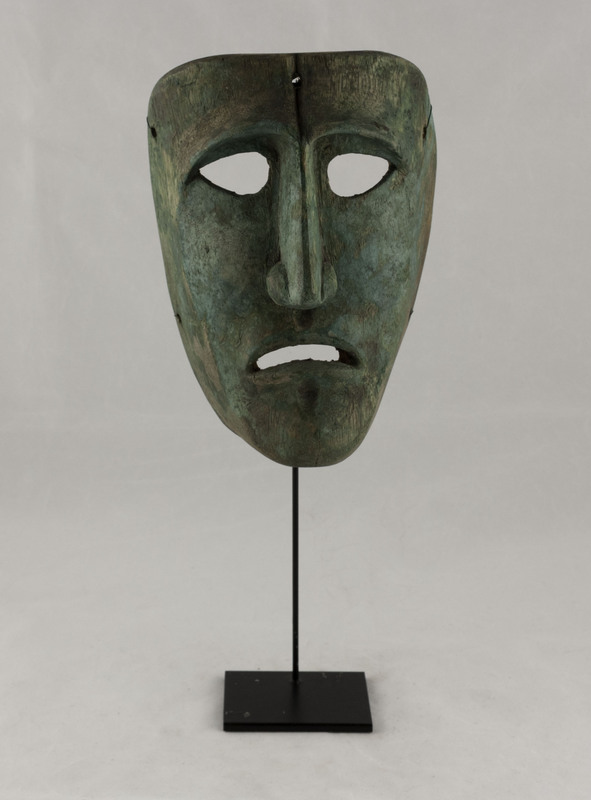
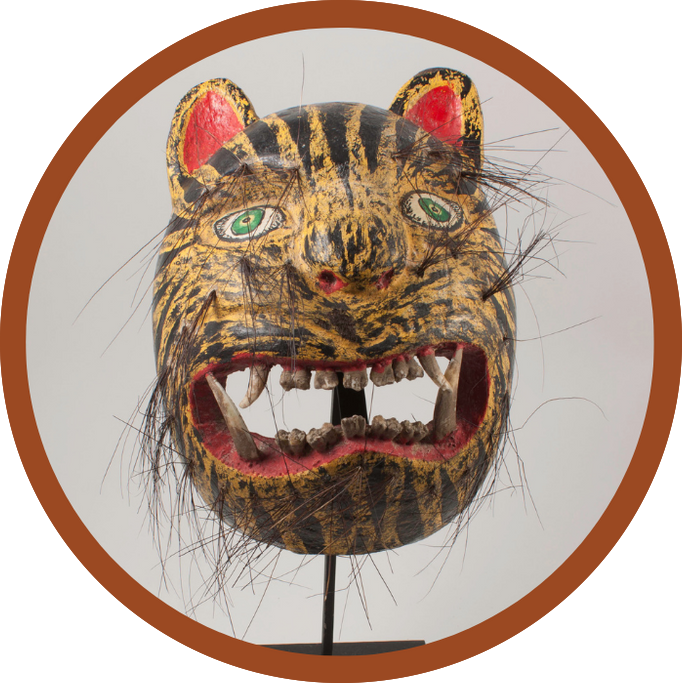
We intend to present these masks as historical records and material culture. Each mask is presented as a record, and each record contains a digital image of the mask and information about the mask. These records are products of creating, collecting, and curating -- all practices carried out by people. The information in the records reflects biases, values, interests, and experiments. This site does not seek to be an authority. Our mission is to make the collection available to all for users to use and comment on however they choose. We strive to provide some context for where this information came from and how it shapes our knowledge of these masks. Without doubt, some information associated with records is inaccurate and imprecise, and it may be harmful and outdated. We strive to be transparent and accountable for our work. On this site is information from the original collector Dr. May Weber, Collection Director Dr. Catherine Nichols of Loyola, Oaxacan Carver Carlos Orozco, and Loyola undergraduate and graduate students. We all bring our own interests and knowledges to these masks and we are open to any and all comments, questions and critiques. We will strive to treat these as living records. This site is not the ending point for the information about these masks, it is hopefully a starting point. You can learn more about the project on the About the Project page.
Making sense of records
There are nearly 500 mask records on this site. The information contained in each record has been compiled from many sources. Our intention is to provide a degree of transparency about who the information comes from; this reminds us the work of creating, collecting, and curating is a social and relational process, rooted in political, cultural, and epistemological contexts. You might notice there is an enormous amount of information that is missing from each record. This is information that was not recorded for a mask, but could possibly be added in the future. In some cases, this information will not be able to be recovered. In these blank fields, "[no text]" is present by Omeka default. You can learn about each of the information fields in the About the Collection page.