Introduction

The awareness of class and economics is omnipresent from the very beginning of the novel, particularly for Mrs. Ramsay. The Ramsay family is aware of their status as well-to-do visitors in a small seaside town in the Hebrides Islands of Scotland. In the novel, we see Mrs. Ramsay patronize local shops, employ townspeople as domestic servants for the household, and provide charitable donations to local workers. In this way, the Ramsay family becomes an economic agent supporting the local economy. Virginia Woolf’s own family would have held a similar role during their yearly visits to the seaside town of St. Ives in southwest England. A nuanced understanding of social and economic changes in coastal towns in the early twentieth century will illuminate passages in the novel that are often overlooked on a first reading.
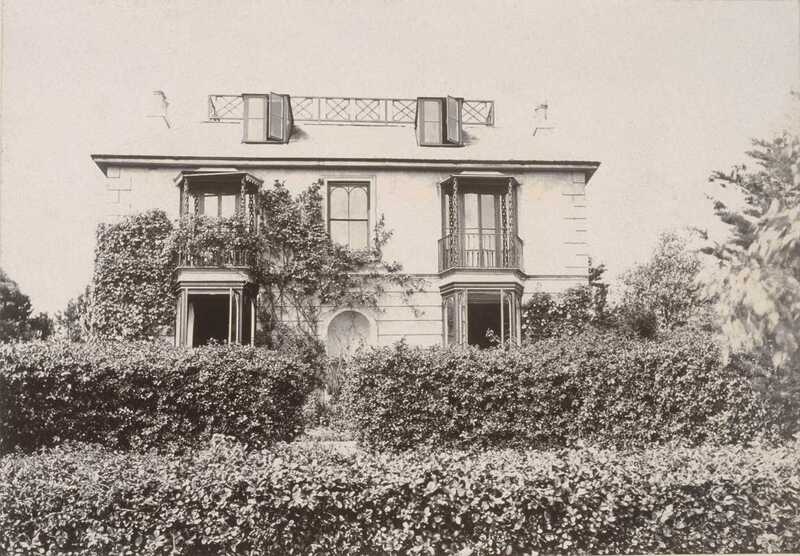
Though To the Lighthouse is set in the Scottish Hebrides, Woolf drew much of her inspiration for the novel from her own experiences of summers spent on the south-western coast of Cornwall. With that in mind, this appendix focuses on examples from Cornwall that apply to coastal communities throughout the British Isles, including the fictional setting of the novel. Virginia Woolf and the Stephens family spent holidays in the seaside town of St. Ives from 1881 to 1895.1 In her unfinished memoir, “Sketch of the Past,” Woolf described her vivid recollections of the town as she first saw it as a child in the late nineteenth century. She imagined that “the town was then much as it must have been in the sixteenth century, unknown, unvisited…It might have been built yesterday; or in the time of the Conqueror.”2 Compared to London, the slower pace of life in St. Ives appealed to the Stephens family, and summers spent at Talland House held a special place in their memory.
1 Marion Dell. "Talland House." Woolf Online. Ed. Pamela L. Caughie, Nick Hayward, Mark Hussey, Peter Shillingsburg, and George K. Thiruvathukal. Web. December 4, 2021. <http://www.woolfonline.com>.
2 Virginia Woolf. “Sketch of the Past,” in Moments of Being: Autobiographical Writings, ed. Jeanne Schulkind. (London: Pimlico, 2002), 133.