
Domestic Servants
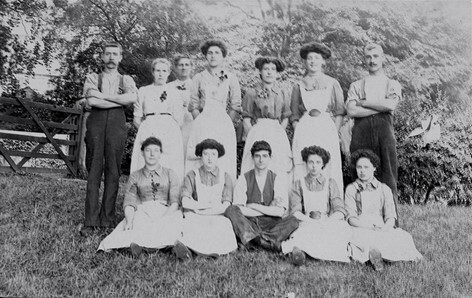
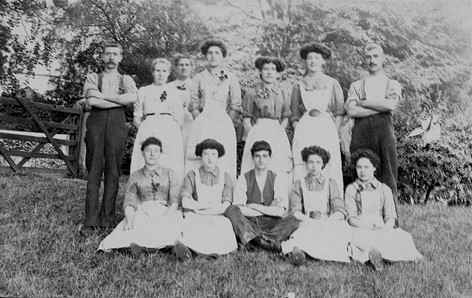
Domestic servants were intrinsic to the life of middle and upper-class England, and the working-class was an important element in maintaining the economic structure of the traditional English class system. However, the working-class domestic servants experienced many changes at the start of the twentieth century, and were deeply impacted by World War I. In “Time Passes,” Mrs. McNab reflects on the pre-war Ramsay household and her relationship with the mistress of the house. She says:
“Yes, she could see Mrs. Ramsay as she came up the drive with the washing.
‘Good-evening, Mrs. McNab,’ she would say.
She had a pleasant way with her. The girls all liked her. But, dear many things had changed since then.”1
Of course, Mrs. McNab is thinking of Mrs. Ramsay’s death, but this reflection is also indicative of greater structural changes taking place within the sphere of domestic service at that time, both within homes and within coastal vacation communities.
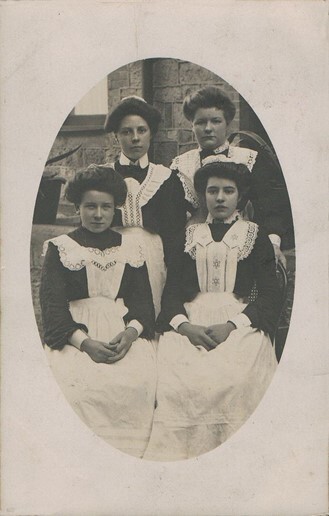
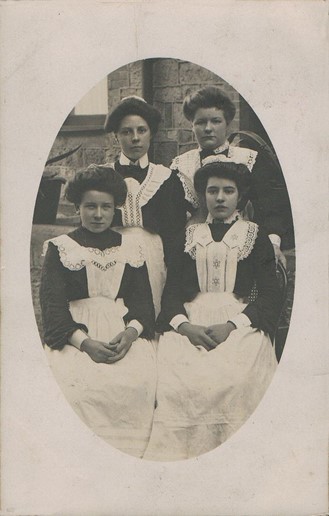
The servants’ relationship with the lady of the house was an important one because the work behind the scenes served to present the outward image of the household. While the servants carried the weight of the work, this opened up time for women to begin to focus on their own aspirations and “[t]he keeping of servants enabled middle-class women to lead increasingly independent lives without challenging the sexual and class divisions of labour.”2 So, while First Wave Feminism was shifting the role of women of the house, the role of servants was still necessary to support that rise of independence. This separation was important and households with servants “maintained and perpetuated a social system of class demarcation by distancing themselves from their domestic servants and never considered them to be part of the family.”3 There were high, often unreasonable, expectations for how a servant should behave within a household. In many homes, “an ideal servant was both an automaton who worked professionally for little reward, and a companion able to offer care and support.”4 The servants played the important role of keeping the house running while also offering emotional support to the woman of the house, ensuring that her home was a success.
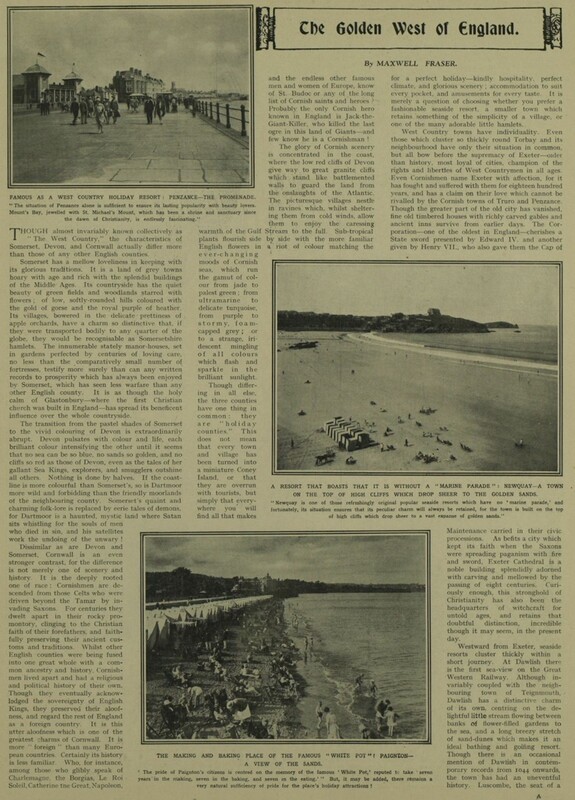
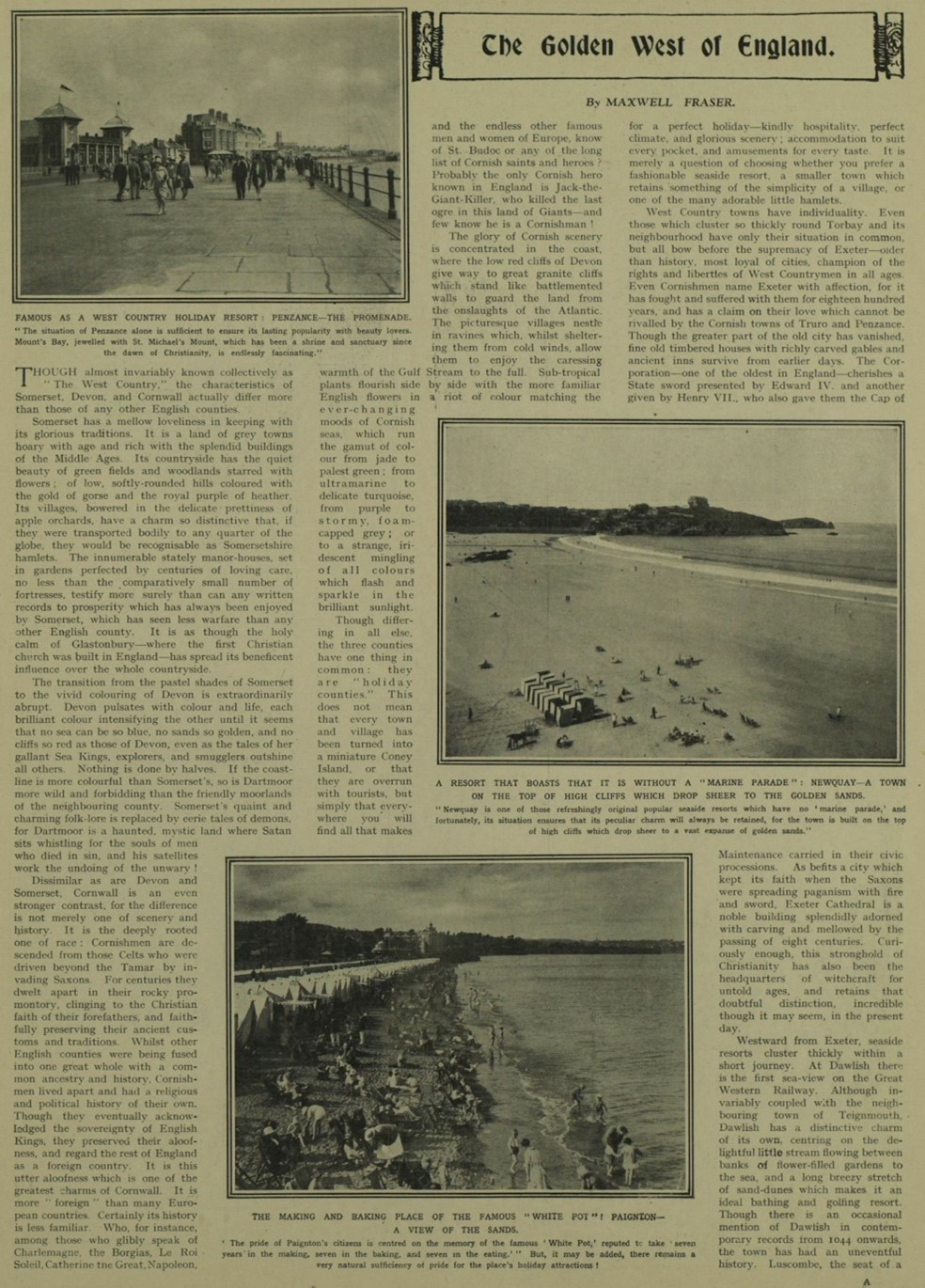
In vacation locations such as St. Ives the relationship was similar, although slightly more contrived as the servants were not necessarily “career” domestic workers, but were often temporary support for visiting families. The relationships between vacationing families and their workers was important and “[t]he visitors frequently adopted the local family and returned to the same household year after year.”5 While in-home domestic servants were traditionally expected to remain separate, the servants in these small communities were more connected with the families because they served to support them through navigating the local customs, and the “relationship between women and what local people call ‘the better class of visitor’ is important because of the contact between class and status groups. In engaging in this relationship, women acted as intermediaries between the local people and visitors.”6 While the class structure was still clear, vacationing families were a way for working-class communities to come in contact with different classes they otherwise would likely not interact with.
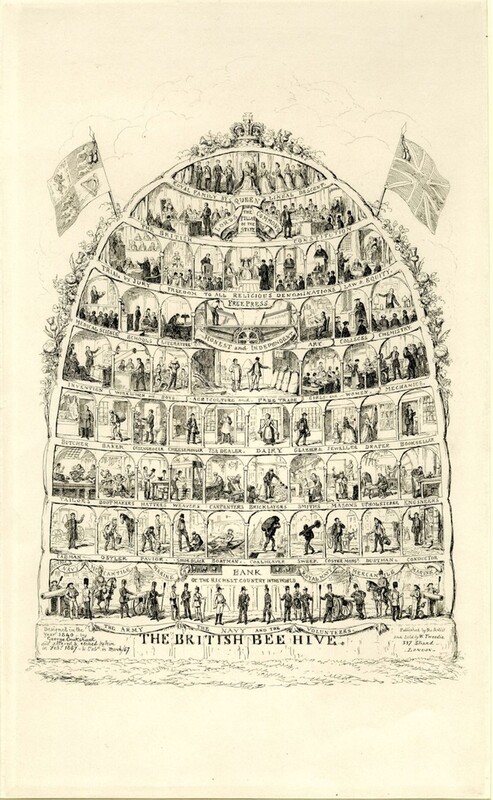
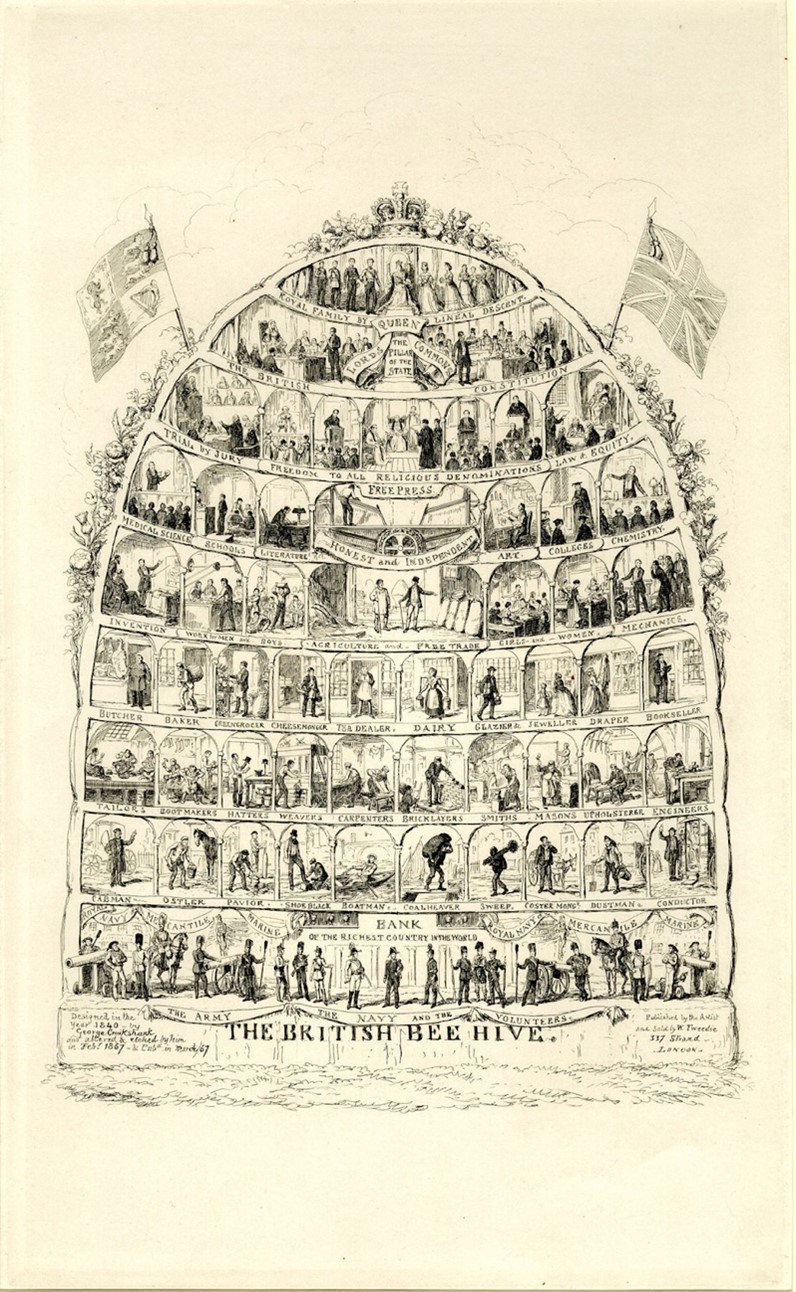
However, class shifting had an inevitable impact on these relationships both in homes and vacation spots. The labor movements of the nineteenth and twentieth centuries resulted in a growing middle class. Of note, servants were often not considered members of this political movement in the way other working-class citizens were, and “clerks and shop assistants formed unions, influenced the Labour Party and find their way into history that way. Servants did not.”7 So, while labor laws were shifting to increase the rights of more people, domestic servants remained necessary for maintaining households; in fact, there was increased demand for household servants as more families joined the middle-class and sought traditional middle-class indicators such as household help.
While Woolf does not expand the history of the Ramsay family, it seems evident that they are middle-class, for they “were not rich, and it was a wonder how they managed to contrive it all.”8 The use of domestic servants by middle-class families was symbolic of their upward mobility, and “many among the expanding middle-class felt it important to employ servants to distinguish themselves from the working-class.”9 As these families gained social mobility, they continued to maintain the class structures of those below them in order to appear to fit into their new place in the economic hierarchy. However, this was not a seamless shift because the new middle-class was less likely to have the space for traditional household relationships. There would have been less separation between the families and their domestic workers, and “[s]maller houses meant the middle-class were more aware of the servants’ presence – their smell, their sneers, their laughter; maids were in the next room now, not below the stairs.”10 This continued to exacerbate the separation of the classes, and tension rose between mistress of the house and servant.
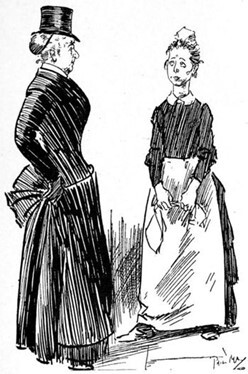
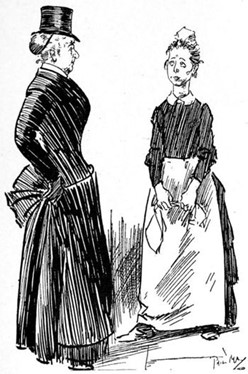
The labor legislation also shifted the role of domestic servants in tourism towns, and “[t]he kind of hospitality provided for the visitor changed gradually as legislation effected change in the social characteristics of holiday in the country as a whole.”11 As more people gained the ability to vacation after the war, the local working-class had fewer interactions with the “better class of visitor” who employed them within homes, and more casual interactions which “corresponds with a change in the type of accommodation offered, to that of bed-and-breakfast style.”12 Increased access to these coastal retreats created less need for in-home support, and more need for casual service. This changed the role of the working-class members from servanthood to hospitality within the tourism industry.
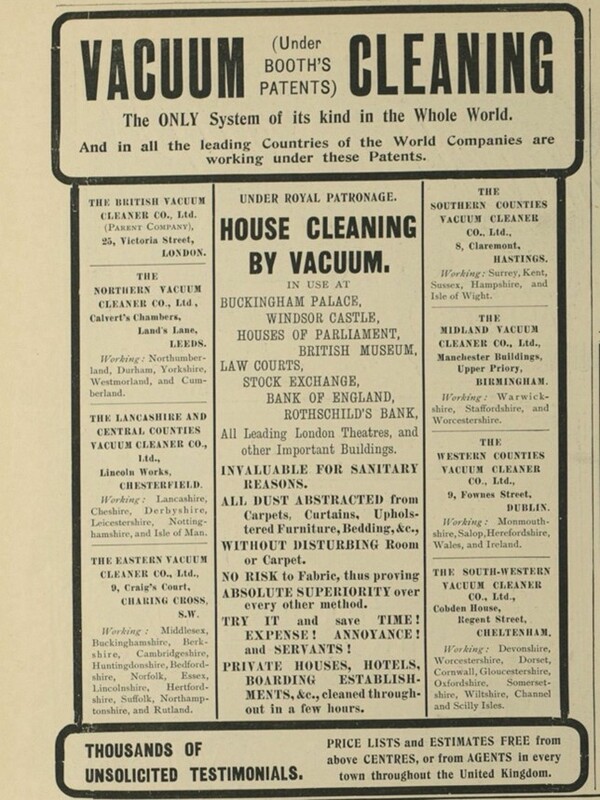

There was some angst within the new middle-class about the possibility of working-class shifts in status. As the lines between class structures began to blur, there was a “middle-class concern about growing working-class aspirations.”13 This concern was not unfounded, and “the interwar years spanning 1919-1939… marked the end of the ‘heydays’ of English domestic servitude where the ‘below stairs’ society looked after all the needs of the ‘upstairs’ society.”14 The old class structure and the newly expanded middle-class worked to stop this shift, and as a result they were hesitant to accept mechanization of many of the tasks performed by servants. Small, in-home appliances were beginning to be accessible, and “by the late 1930s, most middle-class householders could afford, and procure, labour-saving devices. Ownership, however, remained very low.”15 Households with servants were not accepting the modernization of menial household tasks because of their threat to the traditional household structure and to the growing independence (specifically of women) related to keeping servants. In the end, “[m]any preferred to squeeze a servant into a boxroom” because servants “made daily life so much easier for the middle and upper-classes.”16 While household appliances would surely have made life easier for the servants, they appear to be a harbinger for the removal of servants altogether and the increase in the chores and household duties of the “housewife”.
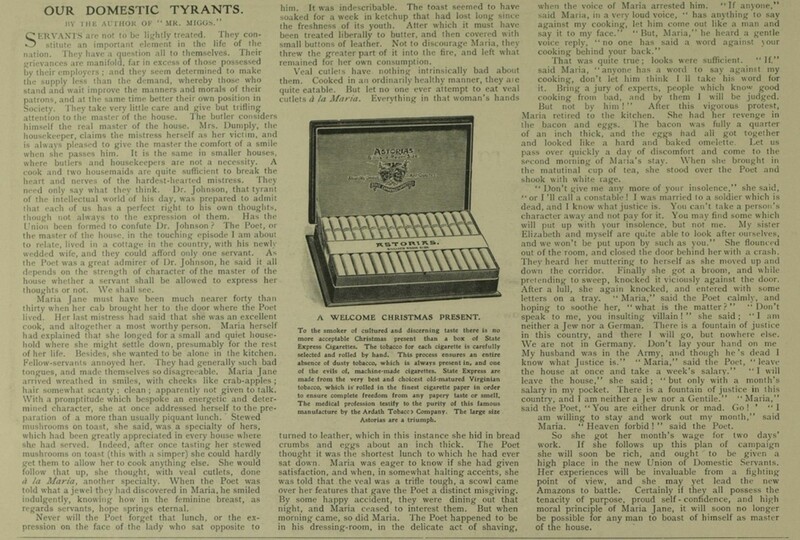
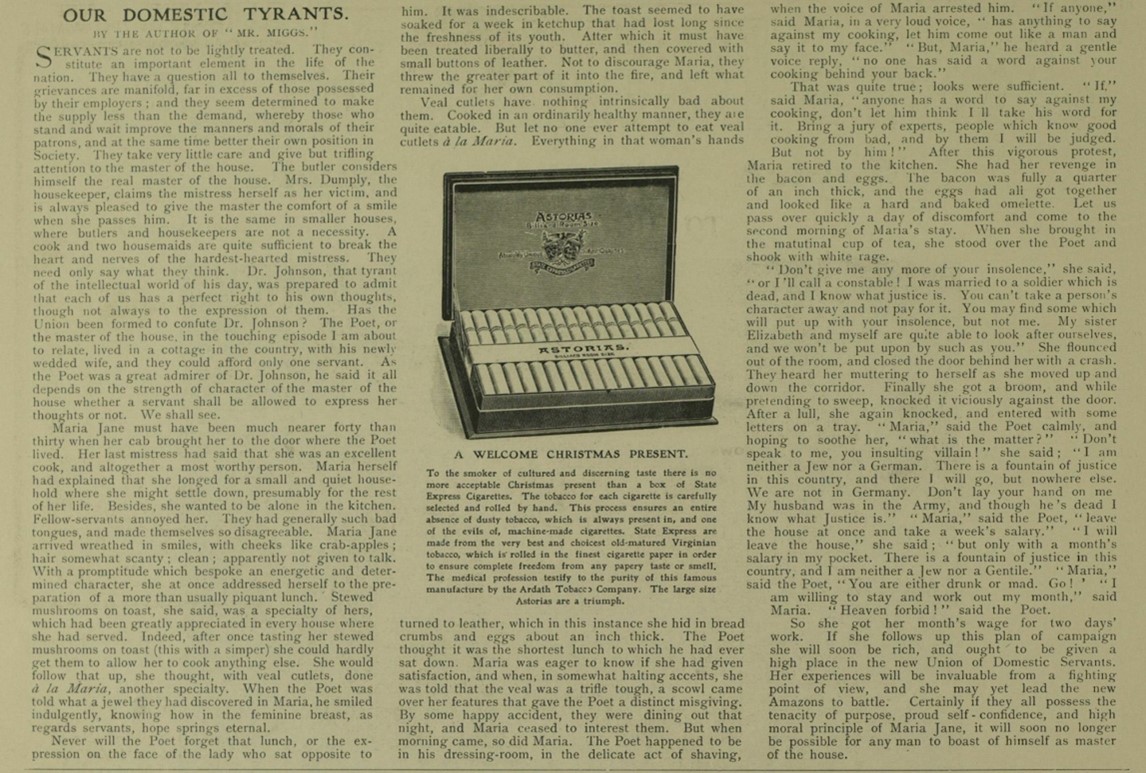
In the end, working-class women made the decision to shift the structure of their roles at an individual level. After the war, “[b]y the mid 1930s they were voting with their feet and leaving service—or scorning to enter it in the first place.”17 Domestic servants were recognizing their place in the shifting of class structures and claiming some rights for themselves. In fact, “the striking difference between the 1900s and the 1940s was that young women were increasingly able to leave service for better-paid work rather than for marriage.”18 Women were choosing to work in factories or in shops where the hours were less strenuous and the class structures were less clear. They were seeking higher pay, and they had alternatives if employers refused to grant those pay requests. Mrs. McNab recognizes this shift in “Time Passes” when “She sighed; there was too much work for one woman.”19 A representative of an older generation, and a bygone era of class structure, she is left with the remnants of household class separation and the task of maintaining her household duties alone.
1 Virginia Woolf. To the Lighthouse. (Orlando, FL: Harcourt, 1981), 136.
2 Selina Todd. “Domestic Service and Class Relations in Britain 1900-1950,” Past & Present 2003, no. 1 (2009): 201.
3 Jane L. Hegstrom. “Reminiscences of Below Stairs: English Female Domestic Servants Between the Two World Wars,” Women's Studies 36, no. 1 (2007): 24.
4 Todd, “Domestic Service and Class Relations,” 200.
5 Michael John Ireland. “Tourism, Kinship, and Social Change in Sennen Cove, Cornwall,” in Contesting the Foreshore, vol. 2 (2019): 120.
6 Ireland, 118.
7 Todd, “Domestic Service and Class Relations,” 189.
8 Woolf, To the Lighthouse, 22.
9 Todd, “Domestic Service and Class Relations.” 193.
10 Todd, 193.
11 Ireland, “Tourism, Kinship, and Social Change,” 122.
12 Ireland, 122.
13 Todd, “Domestic Service and Class Relations,” 195.
14 Hegstrom, “Reminiscences of Below Stairs,” 15.
15 Todd, “Domestic Service and Class Relations,” 194.
16 Todd, 194.
17 Todd, 197.
18 Todd, 198.
19 Woolf, To the Lighthouse, 137.