Connecting Modern Art and Modern Literature
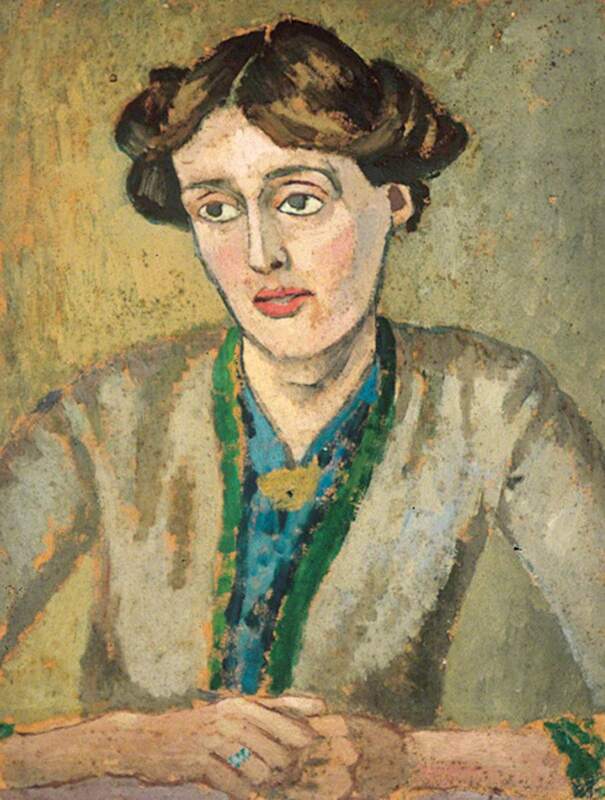
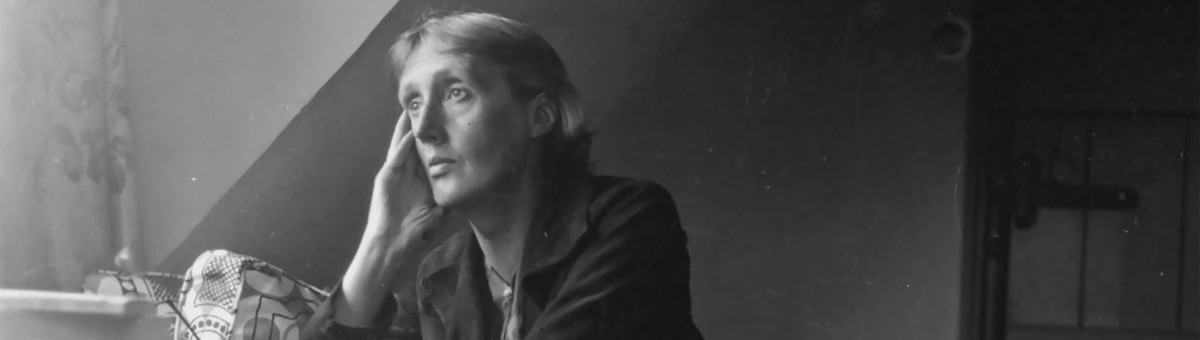
Indeed, an understanding of Post-Impressionism can inform our understanding of the novel as a whole. The artistic and literary movements of the time did not develop separately, and Woolf was not hesitant to translate the aesthetics of Post-Impressionist art into her own work. Writing in her biography of Roger Fry, Woolf proclaimed, “Cezanne and Picasso had shown the way; writers should fling representation to the wind and follow suit,”[56] and this influence can be seen throughout the experimental form of To the Lighthouse. As Post-Impressionist art emphasized form over content to convey powerful emotions, so too did Woolf’s novel highlight innovative narrative forms over standard plot elements. Just as Lily’s center line deliberately breaks up conventional illusionist space in her painting, so too does the central line of the lighthouse hold the story together, even as it breaks conventional narrative structure. Like Mr. Bankes, at whose expense Lily’s artistic liberation is achieved,[57] and like the befuddled gallery goers at the first Post-Impressionist exhibition, readers of the novel often experience a similar disorientation: Woolf’s innovative stream-of-consciousness style makes the dimensions of time and distance hard to discern. For such aesthetic tools and approaches must adapt and innovate if they seek to capture the changing relations between modern individuals living in a modern society:[58] as Fry notes, the experimentation of the Post-Impressionists “is the work of highly civilized and modern men trying to find a pictorial language appropriate to the sensibilities of the modern outlook.”[59] The result of such formal experimentation is that the events and characters of Woolf’s novel, much like Vanessa’s portraits and Post-Impressionist art, are easy to feel but hard to fully picture – though not to the novel’s detriment. For, as Bell wrote to her sister regarding the novel and its characters: “as far as portrait painting goes, you seem to me to be a supreme artist.”[60]
[56] Virginia Woolf, Roger Fry: A Biography (Boston: Mariner Books, 1976), quoted in Dunn, Close Conspiracy, 148.
[57] Harrington, “Central Line,” 372.
[58] Lisa Tickner, Modern Life and Modern Subjects: British Art in the Early Twentieth Century (New Haven: Yale University Press, 2000), 8.
[59] Fry, “The French Group,” 26.
[60] Bell, Selected Letters, 317.